
The Benefits of Toll Blending for Industrial Equipment Products
The Benefits of Toll Blending for Industrial Equipment Products
Industrial equipment manufacturers operate in an environment where performance, reliability, and consistency are essential. From heavy machinery and manufacturing systems to automotive components and specialized equipment, every product must perform reliably under demanding operating conditions.
Behind the performance of many industrial equipment products are carefully formulated chemicals, lubricants, coatings, cleaners, adhesives, and other specialty products. Developing and manufacturing these formulations in-house, however, can require significant investments in equipment, raw materials, technical expertise, quality control, and production capacity.
This is where toll blending can provide a valuable solution.
Toll blending allows industrial companies to partner with an experienced blending manufacturer to produce their formulations according to specific requirements. Instead of investing heavily in their own blending infrastructure, companies can leverage the toll blender’s facilities, equipment, technical capabilities, and production expertise.
What Is Toll Blending?
Toll blending is a manufacturing service in which a company provides the formulation, specifications, or raw materials while a specialized third-party manufacturer performs the blending and production process.
Depending on the arrangement, a toll blending partner may support various stages of production, including:
- Raw material handling and preparation
- Mixing and blending
- Heating and cooling processes
- Quality control and testing
- Filling and packaging
- Batch production
- Bulk manufacturing
- Product storage and logistics support
For companies serving the industrial equipment market, toll blending can provide the production flexibility needed to manufacture specialized products without building and maintaining a dedicated blending facility.
Why Toll Blending Is Valuable for the Industrial Sector
Industrial applications often require products with highly specific performance characteristics. A lubricant may need to withstand extreme temperatures, while an industrial cleaner may require a particular level of cleaning performance without damaging sensitive equipment surfaces.
At the same time, manufacturers need to control costs and respond quickly to customer requirements.
Working with a toll blending company can help address these challenges.
1. Access to Specialized Manufacturing Expertise
One of the biggest advantages of toll blending is access to specialized manufacturing knowledge.An experienced toll blender understands the complexities involved in handling different raw materials, formulations, mixing requirements, production processes, and quality standards. This expertise can be especially valuable when manufacturing industrial products that require precise formulation and consistent batch-to-batch performance.
Instead of developing an entire manufacturing operation internally, industrial companies can work with a partner that already has the processes, equipment, and personnel required for blending.
2. Reduce Capital Investment
Establishing an in-house blending operation can require substantial capital.Companies may need to invest in:
- Blending and mixing equipment
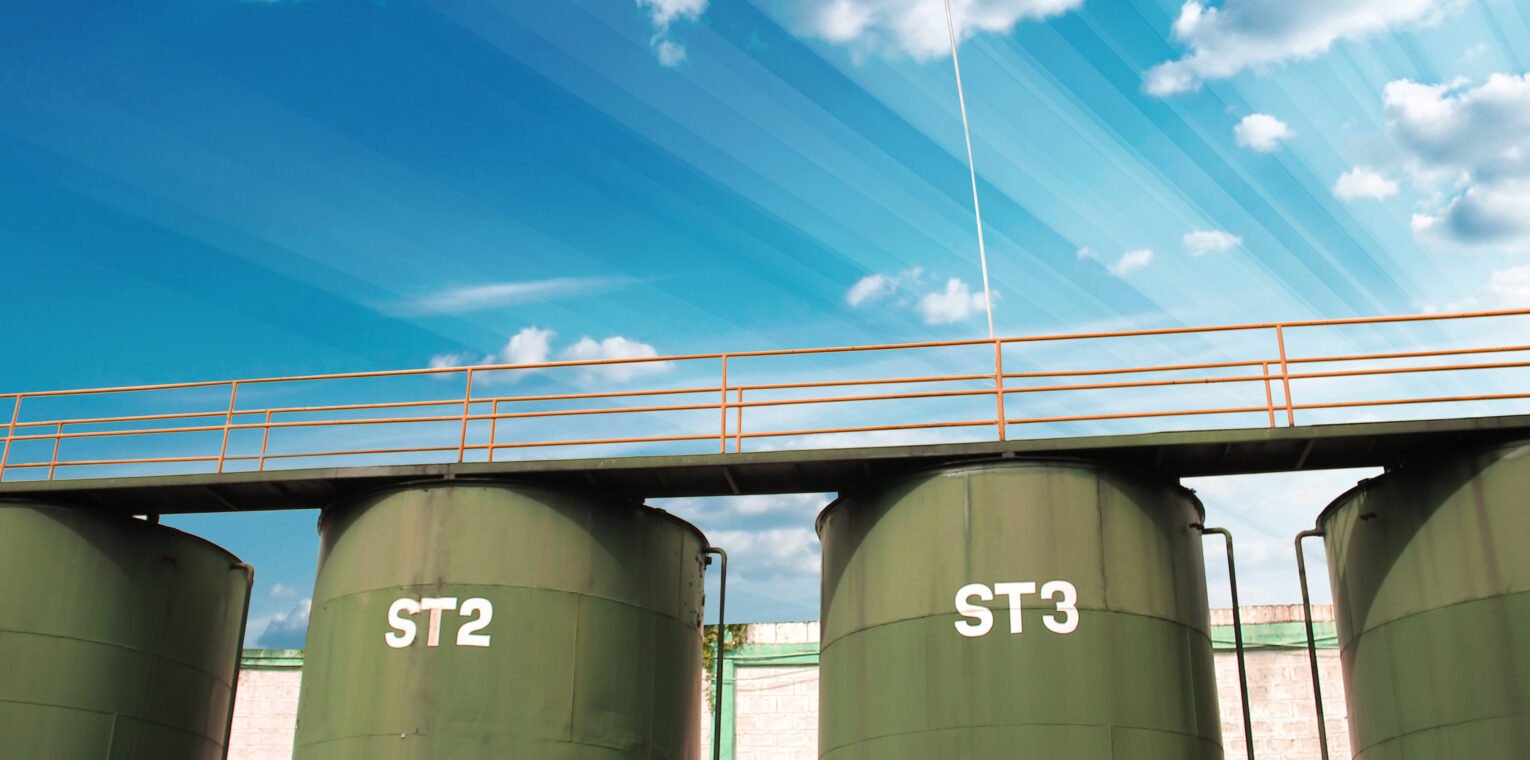
- Storage tanks
- Pumps and transfer systems
- Heating and cooling systems
- Production facilities
- Laboratory and testing equipment
- Safety and environmental systems
- Maintenance and utilities
Toll blending reduces the need for these investments by allowing companies to use an existing manufacturing facility.
This can free up capital for other important areas of the business, such as product development, sales, marketing, equipment innovation, and customer service.
3. Improve Production Flexibility
Industrial equipment manufacturers may have fluctuating production requirements. Some products may be manufactured in large volumes, while others may only be required in smaller batches.Maintaining an in-house facility for every production requirement can be inefficient.
A toll blending partner can provide greater flexibility by supporting different batch sizes and production schedules. This makes it easier to scale manufacturing according to demand without having to continuously expand internal production capacity.
4. Consistent Product Quality
Consistency is critical in industrial applications.A small variation in formulation or blending conditions can affect the performance of a product. For example, changes in viscosity, concentration, additive distribution, or chemical properties can influence how a product performs in industrial equipment.
Professional toll blenders use controlled production processes and quality assurance procedures to help maintain consistency from batch to batch.
This allows industrial customers to receive products that meet established specifications and performance requirements.
5. Faster Product Development and Market Entry
Industrial companies often need to develop products quickly to meet changing customer requirements or market opportunities.Building a manufacturing process from the ground up can slow down commercialization.
By partnering with an established toll blender, companies can take advantage of existing production infrastructure and technical expertise. This can shorten the time required to move from formulation development to commercial production.
For businesses introducing new industrial formulations, this can provide an important competitive advantage.
6. Focus on Core Business Activities
Manufacturing is only one part of an industrial equipment company’s operation.Businesses also need to focus on engineering, product development, customer relationships, sales, distribution, and after-sales support.
Outsourcing blending allows companies to delegate a specialized manufacturing activity to an experienced partner while concentrating internal resources on their core competencies.
In other words, companies can focus on developing and selling better industrial products rather than managing every aspect of the manufacturing process themselves.
7. Scalability as Demand Grows
A successful industrial product can experience significant increases in demand. However, expanding an internal production facility can take considerable time and investment.Toll blending provides a more scalable approach to manufacturing.
Companies can begin with smaller production volumes and increase output as market demand grows. This can make it easier to test new products, enter new markets, and expand production without immediately committing to additional manufacturing infrastructure.
8. Better Raw Material and Production Management
Industrial formulations can involve numerous raw materials, some of which may require specialized storage and handling.An experienced toll blending partner can help manage the production process, from raw material handling through finished product manufacturing.
This can simplify supply chain management and reduce the operational burden associated with maintaining a dedicated blending operation.
9. Support for Customized Industrial Products
Industrial customers frequently require products designed around specific equipment, operating environments, or performance requirements.Toll blending can support the production of customized formulations and private-label products based on agreed specifications.
This is particularly useful for companies that want to offer specialized industrial solutions without investing in a complete manufacturing operation.
10. Potential Cost Efficiency
Toll blending can help companies manage manufacturing costs by reducing the need for significant fixed investments in production infrastructure.Instead of carrying the full cost of operating a blending facility, companies pay for the manufacturing services they require.
Depending on production volume, formulation complexity, raw material requirements, and other factors, this approach can provide a more cost-efficient manufacturing model.